What is Rhinoplasty and Who is it Suitable For?
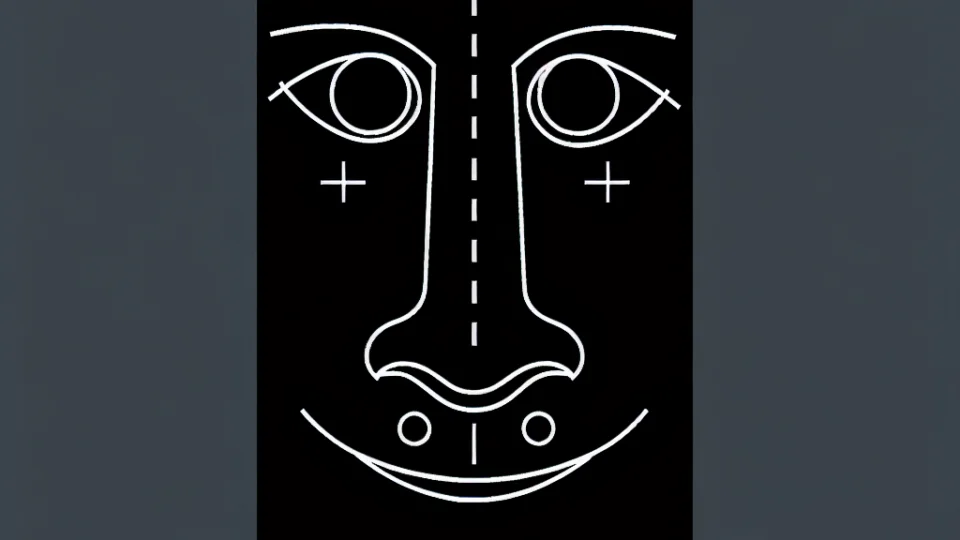
Rhinoplasty, a surgical procedure that alters the shape and size of the nose, is a medical term. This procedure can be performed for both aesthetic and functional reasons. Aesthetic purposes focus on improving the appearance of the nose, achieving symmetry, and harmonizing it with facial features, while functional reasons aim to address issues such as nasal obstruction. Rhinoplasty is typically performed under general anesthesia, and the recovery process can vary from person to person.
Rhinoplasty is suitable for individuals who meet certain criteria. Firstly, it is recommended that those considering this procedure are over 18 years old. This is because nasal development is generally completed by the age of 18. Additionally, it is important for a suitable candidate to have good overall health and to be a non-smoker. Smoking can negatively affect the recovery process and increase the risk of complications.
Rhinoplasty not only changes physical appearance but can also have a positive impact on individuals' psychological well-being. It can boost a person's self-confidence and help them feel more comfortable in their social life. However, it is important for expectations from this procedure to be realistic. Candidates need to accept that the results may not be perfect and should maintain open communication with their doctors.
In conclusion, rhinoplasty is a surgical intervention preferred for aesthetic and functional purposes. However, attention must be paid to the health status, age, and expectations of suitable candidates for this procedure. Individuals considering rhinoplasty should thoroughly research this process and consult with a qualified doctor in the field, which is critical for achieving a successful outcome.
Ways to Look Younger with Facelift Surgery
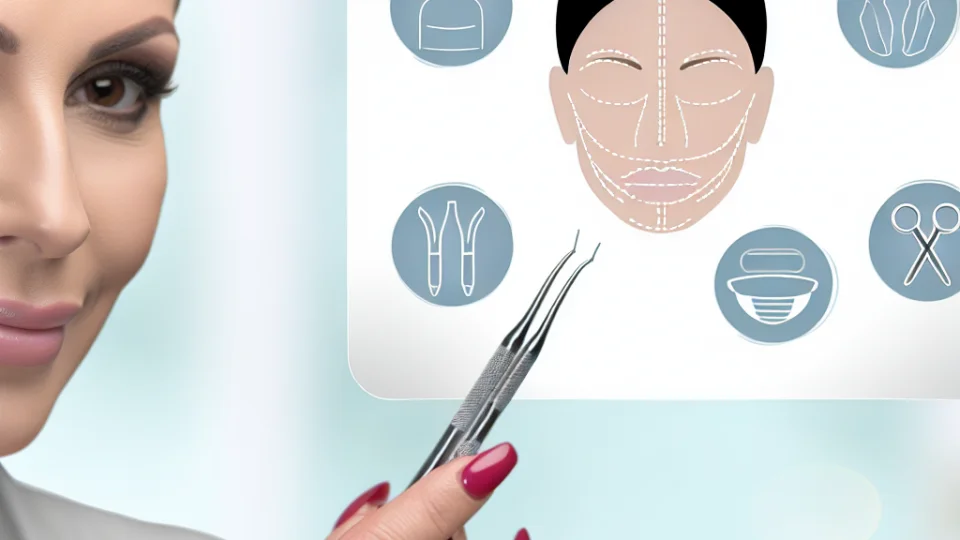
Facelift surgery is an aesthetic procedure performed to reduce signs of aging and achieve a more youthful appearance of facial features. This procedure targets issues such as skin sagging, wrinkles, and loss of volume. Facelift is generally recommended for individuals aged 40 and above, but the decision to proceed is made considering the person's skin type and aging rate. After this procedure, patients not only have a more youthful and vibrant facial expression but also experience an increase in their self-confidence.
Facelift surgery can be performed under general anesthesia or local anesthesia. The surgeon makes small incisions at the back of the face to tighten the underlying tissues and remove excess fat. This process helps to define facial features while enhancing skin elasticity to achieve a more youthful appearance. The recovery period after the procedure may vary depending on the patient's overall health and the technique used by the surgeon. Therefore, it is important for patients to obtain detailed information about the process.
- Swelling and bruising after facelift surgery are normal.
- It is very important to follow the doctor's recommendations during the recovery process.
- Attention to skincare after the procedure is necessary.
- The time to return to social life varies from person to person.
Facelift surgery stands out as one of the most effective methods offered by aesthetic surgery. However, it is important for patients to undergo a detailed psychological and physical evaluation process before undergoing this procedure. The goal should not only be external appearance but also achieving inner peace. A successful facelift procedure enhances the quality of life for patients, helping them feel better about themselves. Therefore, this procedure should be considered not just a physical change but also a lifestyle change.
Eyelid Aesthetics: What Symptoms Should Be Considered?
Eyelid aesthetics is one of the areas where signs of aging are most apparent. Over time, eyelids may sag, bags may form, and this can negatively affect a person's facial expression. If you want your eyes to look more dynamic and youthful, you may need to start considering eyelid aesthetics. This procedure can affect not only aesthetic concerns but also your eye health. For example, excessively sagging upper eyelids can narrow your field of vision and make daily life more challenging.
There are certain symptoms that may indicate the need for this aesthetic procedure. Firstly, if you frequently experience a feeling of fatigue around your eyes or if your under-eye bags have become more pronounced, you may want to consider eyelid aesthetics. Additionally, sagging eyelids that occur with aging can make it difficult to apply makeup. Such situations are among the important reasons to seek eyelid aesthetics. In other words, these types of symptoms may indicate the necessity of an aesthetic intervention.
- Sagging eyelids and excess skin formation
- Pronounced under-eye bags
- Difficulty applying makeup
- Eyes appearing tired and expressionless
Eyelid aesthetics can be an important step not only in terms of appearance but also psychologically. People believe that their external appearance affects their self-confidence. If you notice changes in your eyelids as you age, this may cause you to feel uneasy. Gaining a more youthful and dynamic appearance through an aesthetic intervention can boost your self-confidence and positively contribute to your social life.
Things to Know About Breast Aesthetics
Breast aesthetics is an important cosmetic procedure that women undergo to improve their body image and boost their self-confidence. This procedure typically involves various techniques such as breast augmentation, reduction, or lifting. Each procedure is customized according to the individual's needs and expectations. Those considering breast aesthetics should first clearly define the purpose and expectations of the operation. Otherwise, the results may lead to disappointment.
Breast aesthetic procedures are usually performed under general anesthesia and require a specific recovery process for patients. This process can vary for each individual. During the recovery period, it is important for patients to pay attention to their surgeons' recommendations, as this helps the process progress more healthily and quickly. Additionally, regular post-operative check-ups are crucial. These check-ups allow for the early detection of potential complications.
Before undergoing breast aesthetics, choosing the right aesthetic surgeon is a critical step. The surgeon's experience directly affects the success of the operation. Patients are advised to review their surgeon's previous work and obtain references. Furthermore, clearly expressing all expectations during initial consultations with the surgeon helps the process progress more smoothly. Patients should identify key points that they need to decide on together with their surgeon.
Finally, the permanence of the results after the breast aesthetic procedure can vary depending on the patient's lifestyle and body changes. Factors such as weight gain, weight loss, or hormonal changes can affect the appearance of the breasts. Therefore, it is important for patients to keep up with their post-operative check-ups and adopt a healthy lifestyle. When performed with the right information and planning, breast aesthetics can significantly enhance women's quality of life.
How is Body Contouring Performed with Liposuction?
Liposuction is an aesthetic procedure in which unwanted fat in the body is removed using a surgical method. This method is typically applied to areas such as the abdomen, hips, thighs, arms, and chin, helping to define body contours. Liposuction is an effective solution for eliminating fat that cannot be reduced through diet and exercise. However, it is crucial for the right candidates to be selected and for the procedure to be performed by a qualified plastic surgeon for successful outcomes. Detailed examinations conducted prior to the procedure take into account the patient's health status and expectations.
The liposuction procedure is usually performed under general anesthesia and can take several hours. The surgeon makes small incisions in the targeted areas and uses special cannulas to suction out the fat. During this process, the safe removal of fat cells is ensured. After the procedure, patients can typically return to their normal lives within a few days. However, there are certain points to pay attention to during the recovery process. In particular, it is important to follow the doctor's recommendations to reduce swelling and bruising that may occur after the procedure.
- A detailed examination should be conducted before the procedure.
- Suitable candidates should be identified and expectations clarified.
- To achieve lasting results, a healthy lifestyle should be adopted.
- Doctor's recommendations must be strictly followed during the recovery process.
The results obtained after liposuction can vary depending on the patient's fat ratio and body structure. To achieve permanent results, it is important to maintain a healthy diet and regular exercise after the procedure. Liposuction should be considered not as a weight loss method but as a technique for correcting body contours. Therefore, individuals with aesthetic concerns are advised to carefully evaluate their expectations and potential risks before the procedure. In conclusion, body contouring with liposuction can be safely performed with the right approach and a qualified surgeon.
Lip Fillers: What Are the Risks and Benefits?
Lip fillers have become one of the most popular procedures in the field of aesthetic surgery in recent years. This procedure is performed to increase the volume of the lips, shape them, and provide a fuller appearance. Typically using substances like hyaluronic acid, lip fillers are preferred by both women and men. However, there are certain risks that need to be considered before and after the procedure. Factors such as the quality of the filler material, the experience of the practitioner, and the patient's skin type directly affect the results.
- Lip fillers can achieve fuller and more defined lips.
- The recovery process after the procedure is quite short.
- They are not permanent and require regular maintenance.
- Side effects may occur after the application.
Some side effects may occur after the lip filler application. These side effects are generally temporary, but symptoms such as swelling, bruising, or sensitivity may arise. To avoid encountering such side effects after the procedure, it is important that the procedure is performed by an experienced and specialized aesthetic surgeon. Additionally, the quality and reliability of the filler material also have a significant impact on the results. Ensuring that the material used is approved and safe can help prevent unwanted effects.
After the lip filler procedure, there are certain points that patients should pay attention to. Firstly, it is recommended not to apply excessive pressure on the lips for a few days after the procedure. Furthermore, taking care of the cleanliness of the treated area will reduce the risk of infection. Although lip fillers do not offer a permanent solution, effective results can be achieved if they are repeated regularly. Therefore, it is essential to be cautious during the period required to enjoy this new look that has settled on your lips.
Things to Consider in the Aesthetic Surgery Process
The aesthetic surgery process not only changes your physical appearance but can also affect your emotional and psychological state. Therefore, having the right information and preparation before the operation is crucial. As a first step, you should clarify which aesthetic procedure you want to undergo. Defining your goals will make you more effective in discussions with your doctor. Knowing what results you expect increases the success rate of the operation.
The experience and expertise of the doctor you choose are critical for the success of the operation. Gathering information about your aesthetic surgeon's certifications and references will help you make a reliable choice. Additionally, the hygiene standards of the clinic and the modernity of the equipment should also be considered. During this process, it is important to communicate openly and honestly with your doctor to express all your concerns.
- Evaluate your health condition before the operation.
- Ask all your questions during the first consultation.
- Pay attention to the doctor's recommendations.
- Plan the post-operative care process well.
The recovery process after the operation is just as important as the operation itself. During this period, you must follow the instructions given by your doctor. Being careful about nutrition, rest, and physical activities will speed up your recovery process. Additionally, being informed about potential complications that may arise after the operation will help you be less affected by these situations. Do not neglect your regular check-ups and consider seeking psychological support.