How Does the Recovery Process Work After Genital Aesthetic Surgery?
The recovery process after genital aesthetic surgery can vary depending on each individual's body structure and health condition. It is quite normal to experience mild pain and swelling during the first few days after the surgery. Adhering to the doctor's recommendations during this period is crucial for accelerating the recovery process. Additionally, patients are advised to rest and avoid excessive physical activities during this time. This helps ensure a healthier and faster recovery.
Another important stage of the recovery process is the application of proper care methods. Paying attention to the cleanliness and hygiene of the surgical area is vital to reduce the risk of infection. Regular use of the medications prescribed by the doctor and not skipping follow-up appointments also positively impacts the recovery process. Furthermore, another point to consider during this period is to especially avoid sexual intercourse and refrain from activities that may strain the body.
In the first few weeks after the surgery, it is important for patients to avoid overexerting themselves and to maintain constant communication with their doctors. At every stage of the recovery process, informing their doctors about any pain or discomfort they experience is a critical step in preventing potential issues. Generally, the recovery process after genital aesthetic surgery can take between 4 to 6 weeks. During this time, patients need to give themselves time and be patient.
Finally, the emotional state during the recovery process should also be taken into account. Genital aesthetic surgeries can positively affect individuals' body perception and self-confidence. However, the physical changes experienced during this process and the challenges brought by the recovery can cause anxiety and stress in some patients. Therefore, seeking psychological support can help individuals feel better and positively influence the recovery process.
When Does the Visibility of Surgical Scars Decrease?
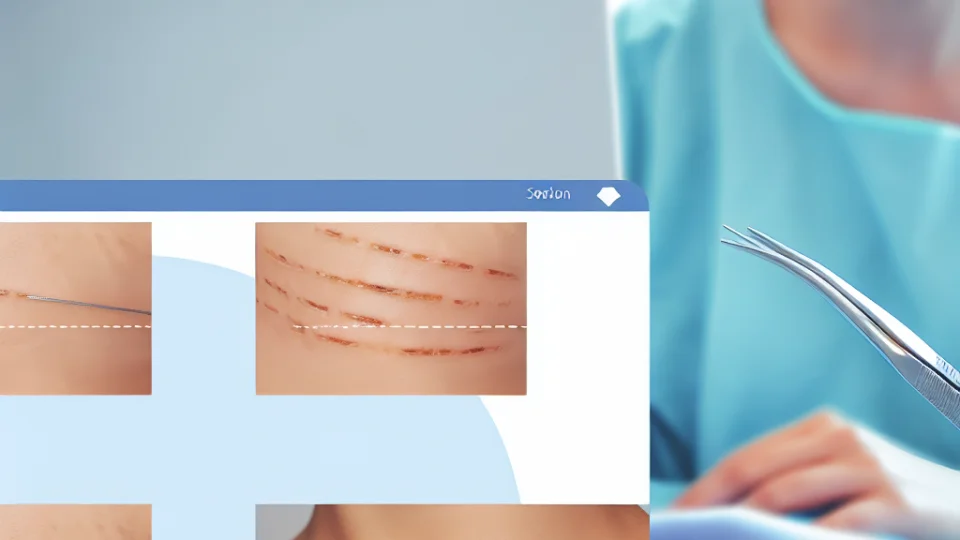
The visibility of scars after genital aesthetic surgeries varies depending on the type of surgery, the individual's skin type, and the healing process. Generally, scars can be quite noticeable in the first few weeks. However, as the body enters the healing process, the visibility of these scars decreases over time. In the first few months, the color of the scars may be pink or red, but they begin to fade significantly between six months and a year. During this process, paying attention to skin care and following the doctor's recommendations can help scars heal more quickly.
There are various methods available to reduce the visibility of scars after surgery. In particular, proper wound care contributes to faster healing of the scars. Doctors often recommend special creams or lotions. Additionally, avoiding exposure to sunlight is important for lightening the color of the scars. Using sunscreen helps make scars less noticeable and controls melanin production in the skin. Therefore, adopting a careful approach during the post-operative healing process is crucial.
Another factor that affects the visibility of scars is genetic predisposition. Some individuals may have genetic traits that allow their skin to heal faster or make scars less noticeable. Others, on the other hand, may develop more prominent scars. Therefore, it is essential to consider individual differences and patiently wait for this process. It is difficult to provide a specific timeframe for when post-operative scars will decrease, as everyone's healing process is different.
Finally, medical aesthetic treatments can also be preferred to reduce the visibility of scars. Methods such as laser treatments, chemical peels, and microdermabrasion can be used to improve the appearance of scars. These types of treatments help rejuvenate the skin and make scars less noticeable. However, it is important to consult with a doctor regarding when these treatments can be performed. Since each individual's situation is different, creating a personalized treatment plan will yield the most effective results.
What Care Should Be Applied for Scars to Fade?
After genital aesthetic surgeries, proper care is crucial for scars to fade quickly and effectively. First of all, attention should be paid to the cleanliness of the surgical area. You can reduce the risk of infection by gently cleaning the area as recommended by your surgeon. During the cleaning process, using soap and water is preferred. Staying away from products with chemical ingredients positively affects the healing process. Additionally, it is important to keep the area moist.
Secondly, it is recommended to use the right moisturizers to reduce the appearance of scars. Regularly applying the moisturizing creams suggested by your doctor after surgery helps increase the skin's elasticity, making scars less noticeable. Especially, opting for products with natural ingredients and hypoallergenic properties reduces the risk of irritation and allergies on the skin. In this context, creams containing aloe vera or vitamin E are often recommended options.
Moreover, using sunscreen is a critical step for scars to fade. Sun rays can cause hyperpigmentation on the skin after surgery, making scars more prominent. Therefore, it is essential to use a high-factor sunscreen before going out. Especially during the first few months, protecting from the sun helps lighten the color of the scars and supports healing.
Finally, paying attention to diet also affects the fading of scars. To ensure the skin heals healthily, it is necessary to consume plenty of vitamins and minerals. Particularly, foods rich in vitamin C, zinc, and omega-3 fatty acids promote skin renewal. These nutrients strengthen the immune system and accelerate the healing process. Therefore, it is important to establish a balanced diet program.
What is the Risk of Scarring from Genital Aesthetic Surgeries?
Genital aesthetic surgeries are performed to address patients' aesthetic concerns and enhance their personal comfort. However, there is also a risk of scarring associated with these types of surgeries. Factors such as the type of surgery, the techniques used, and the patient's skin type are significant elements that affect the visibility of scars. For instance, some techniques are less invasive, resulting in a lower likelihood of scarring during the healing process. Therefore, it is important for patients to consider these factors before surgery and discuss them in detail with their doctors.
Another factor that affects the permanence of scars after surgery is the patient's genetic makeup. Some individuals tend to develop more pronounced scars during the healing process. This situation is related to genetic factors that influence collagen production and the skin's repair mechanisms. Additionally, the type of skin should not be overlooked in terms of its effect on scarring. For example, oily skin tends to yield better results during the healing process, while dry skin may have an increased risk of scarring.
Post-operative care also plays a critical role in reducing the visibility of scars. Patients should follow their doctors' recommendations for care and take necessary precautions during the healing process. In particular, avoiding exposure to sunlight is important for reducing scar visibility. Furthermore, the use of certain creams can support the healing of scars. Therefore, patients need to be aware of post-operative care and adhere to their doctors' advice.
In conclusion, the risk of scarring from genital aesthetic surgeries depends on various factors. The type of surgery, the patient's genetic makeup, and post-operative care are key elements that influence the visibility of scars. It is essential for patients to consider these risks and have a detailed discussion with their doctors before surgery to create an appropriate treatment plan. This way, the likelihood of unwanted scarring can be minimized, allowing patients to achieve more satisfying results.
What Factors Affect Scar Healing Process?
The healing process of scars after genital aesthetic surgeries is influenced by many factors. The type of surgery is one of the most important elements that determine how the scars will appear. For example, in some procedures like vaginoplasty, scars may be less noticeable, while in others like labiaplasty, scars may be more visible. Additionally, the techniques used by the doctor play a critical role in the healing process of the scars. Proper stitching techniques and the way the stitches are placed can reduce the visibility of the scars.
Another important factor is the overall health status of the patient. Health issues that affect the post-operative healing process can also lead to changes in the appearance of the scars. Chronic diseases such as diabetes and hypertension can slow down the healing process, resulting in more pronounced scars. Therefore, it is crucial to conduct a health check before surgery and to consider any existing health issues.
Another factor that affects the scar healing process is the age and skin type of the patient. Younger individuals generally have higher skin elasticity, which may allow scars to heal more quickly. On the other hand, as one ages, the skin begins to lose its youthfulness, which can lead to more noticeable scars. Additionally, skin type can also influence the healing process; oily or dry skin types may show differences in the healing process.
Post-operative care also plays a critical role in the scar healing process. Patients adhering to the doctor's recommendations for care can help reduce the appearance of scars. For instance, paying attention to wound care, protecting from the sun, and using special creams when necessary can accelerate the healing process. Being diligent about monitoring and care processes to reduce the appearance of scars after surgery is essential for achieving successful results.
Information About the Permanence of Post-Surgery Scars
The permanence of scars that occur after genital aesthetic surgeries can vary depending on many factors. The type of surgery, the patient's skin structure, and the healing process play significant roles in determining how long the scars will remain. For example, while some patients may see a noticeable reduction in their scars within a few months, for others, this process may take longer. Generally, the appearance of post-surgery scars varies depending on the patient's genetic makeup and skin type.
Another important factor affecting the permanence of post-surgery scars is post-operative care practices. Patients should use scar care products as recommended by their doctors and have regular check-ups. Such products can support skin renewal, helping scars heal more quickly. Additionally, exposure to sunlight can also affect the permanence of scars; therefore, it is important for patients to protect their skin during the post-operative period.
Another aspect that patients should pay attention to in order to reduce the permanence of scars is a healthy lifestyle. A balanced diet, adequate water intake, and regular exercise can positively affect the overall health of the skin, speeding up the healing process. Furthermore, habits such as smoking and alcohol consumption can negatively impact the healing process. Therefore, patients are advised to avoid such habits.
In conclusion, the permanence of scars after genital aesthetic surgeries depends on many factors and varies from patient to patient. Careful post-operative care and healthy lifestyle habits can significantly improve the appearance of scars. It is crucial for patients to follow their doctors' recommendations and have regular check-ups during this process. This way, it will be possible to minimize the permanence of scars and achieve a more aesthetic appearance.
How Can I Minimize Scars After Genital Aesthetic Surgery?
There are many factors to consider to minimize scarring after genital aesthetic surgeries. First and foremost, it is crucial to strictly adhere to the surgeon's recommendations during the post-operative process. The surgeon will provide care suggestions that will accelerate the healing process and minimize scars. These suggestions include important points such as keeping the wound clean, moisturized, and protected from the sun. Particularly, exposure to sunlight can cause scars to darken, so caution is advised.
Secondly, adopting proper nutrition habits to support the wound healing process is also of great importance. Consuming adequate amounts of protein, vitamins, and minerals accelerates the body's healing process and reduces the appearance of scars. Vitamin C and zinc, in particular, are critical for skin health. Taking these nutrients in sufficient amounts helps increase the skin's elasticity, making scars less noticeable.
Additionally, ensuring sufficient rest during the post-operative period is a factor that affects the appearance of scars. Recognizing the time necessary for the body to heal and avoiding excessive physical activity during this process contributes to making scars less prominent. Resting enhances the body's self-repair capacity, speeding up the healing process. Therefore, resting for the duration recommended by your surgeon and taking care of yourself is an important step.
Finally, special creams and treatment methods applied to minimize scars are also quite effective. Your surgeon can provide information about special creams or treatment methods that you can use during the healing process. These products typically have skin-renewing and healing properties. Establishing a good skincare routine is an effective way to reduce the appearance of scars. It should be noted that since each individual's healing process may vary, you should stay in contact with your surgeon to determine the most suitable method for your personal needs.