What Changes Do Aesthetic Procedures Cause in the Skin?

Aesthetic procedures lay the groundwork for many positive changes in the skin. Especially procedures like facelifts, fillers, and Botox make the skin surface appear smoother and more youthful. Along with these types of procedures, fine lines and wrinkles on the skin significantly decrease. Additionally, the skin texture becomes tighter and more elastic. Thus, aesthetic interventions not only provide a visual change but also significantly improve skin health.
Aesthetic procedures also positively affect the skin's moisture balance. For example, fillers containing hyaluronic acid penetrate the deeper layers of the skin to prevent moisture loss. This situation contributes to a brighter and more vibrant appearance of the skin. Moreover, issues such as dryness and dullness that may occur after these applications are minimized. As a result, aesthetic procedures are an important factor that enhances the overall appearance and health of the skin.
Aesthetic interventions performed on the skin support the renewal of skin cells by increasing blood flow. Methods such as laser treatment and chemical peels not only cleanse dead cells from the skin surface but also encourage the renewal of cells in the deeper layers. This process allows the skin to achieve a fresher and younger appearance. Additionally, increased blood flow helps nourish the skin and supply oxygen, thus contributing to overall skin health.
Finally, aesthetic procedures have the potential to reduce the appearance of spots and scars on the skin. Particularly issues like acne scars or sunspots can be visibly alleviated with appropriate aesthetic methods. Applications like laser treatment help regulate the pigmentation balance in the skin, leading to a more even tone. Thus, aesthetic procedures have the capacity to improve not only the aesthetic appearance of the skin but also its health.
What Are the Aesthetic Methods That Improve Skin Health?
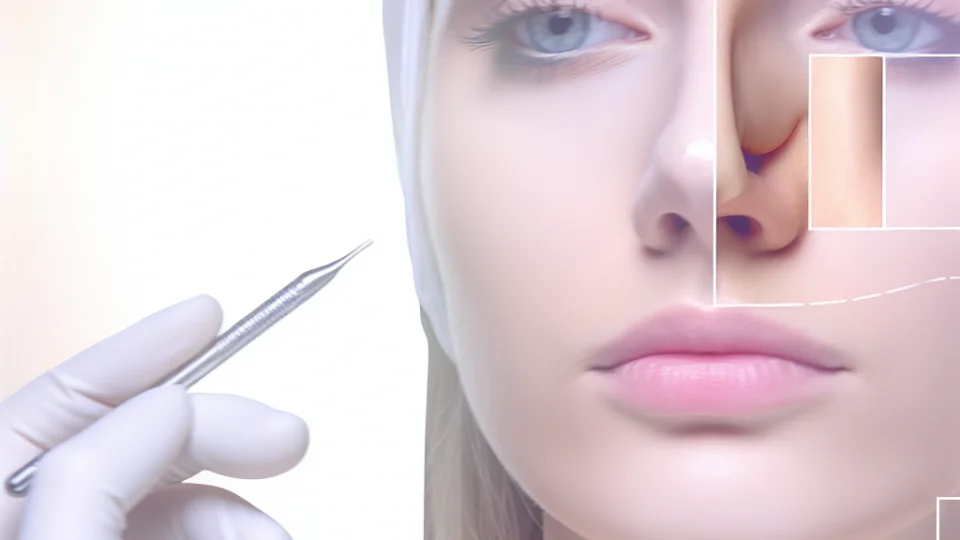
Aesthetic methods that improve skin health not only enhance individuals' appearance but also strengthen the skin structure. For example, chemical peels remove the upper layer of the skin, allowing new and healthy cells to emerge. This process reduces the appearance of blemishes and fine lines, contributing to a smoother and more youthful look. Additionally, this method evens out skin tone and adds vitality. Paying attention to skincare after a chemical peel enhances the longevity of the results.
Fillers and Botox are also effective ways to improve skin health. Botox temporarily paralyzes the muscles, reducing the appearance of wrinkles. Fillers are injected beneath the skin to compensate for volume loss. These procedures not only give the skin a more youthful appearance but also increase its elasticity, helping to prevent signs of aging. After the procedure, patients experience a noticeable improvement in their skin structure.
- Laser skin rejuvenation
- PRP (Platelet Rich Plasma) therapy
- Microdermabrasion
Laser skin rejuvenation procedures help repair skin damage, while PRP therapy involves injecting platelets obtained from the patient's own blood into the skin. This method supports the skin's natural healing process and helps it look healthier. Microdermabrasion gently exfoliates the upper layers of the skin, allowing pores to open and the skin to breathe. Each of these methods not only enhances skin health but also meets the aesthetic expectations of patients.
Aesthetic Treatments That Reduce Signs of Aging on the Skin
The aging process leads to various changes in our skin. These changes include fine lines, wrinkles, and loss of skin elasticity. Aesthetic treatments play a significant role in reducing these signs. For example, fillers and Botox applications provide a more youthful appearance by filling the surface of the skin. Additionally, laser treatments can remove spots and wrinkles from the skin's surface. These methods help achieve a healthier appearance while preserving the skin's natural structure.
Another important treatment that delays skin aging is chemical peeling. This procedure exfoliates the upper layer of the skin, giving it a fresher and younger look. With chemical peeling, dead skin cells are removed, and the formation of new cells is encouraged. As a result, skin tone improves, and the appearance of fine lines decreases. Furthermore, this treatment contributes to better hydration of the skin, resulting in a radiant appearance.
Among aesthetic treatments, microdermabrasion also holds significant importance. This technique cleanses the dead skin cells and impurities from the upper layer of the skin. Microdermabrasion helps the skin appear smoother and younger while also increasing blood circulation in the skin, accelerating cellular renewal. With this treatment, fine lines and signs of aging on the skin noticeably decrease. Additionally, after this procedure, the absorption of skincare products increases, making the skin healthier.
Finally, PRP (Platelet Rich Plasma) therapy is an effective method for preventing skin aging. This treatment involves injecting plasma obtained from the person's own blood into the skin. PRP promotes cellular renewal in the skin, reducing the appearance of fine lines and wrinkles. It also evens out skin tone and enhances elasticity. PRP therapy offers a natural rejuvenation process, contributing to a more vibrant and healthy appearance of the skin.
How Does Rhinoplasty Affect Skin Health?
Rhinoplasty holds a significant place in facial aesthetics and can have various effects on skin health after the procedure. Since the tissues beneath the skin are intervened during the operation, the blood flow and tissue healing process in the nasal area can affect the overall health of the skin. Especially after rhinoplasty, any swelling and bruising that may occur can negatively impact the appearance of the skin. During this process, maintaining the skin's moisture balance and accelerating the healing process is of great importance.
Another factor affecting skin health after rhinoplasty is the post-operative care and treatment recommendations provided. The skincare products and routines suggested by the doctor can help the skin heal more quickly. During this process, light massages or moisturizing creams can be used to increase blood circulation in the skin and support cell renewal. Additionally, sun protection is crucial, as the skin becomes more sensitive and vulnerable to UV rays.
To accelerate the healing process of the skin and achieve a healthy appearance, attention to nutrition is necessary. Foods rich in antioxidants can support skin health and speed up the healing process. Moreover, drinking plenty of water helps maintain the skin's moisture balance. Thus, the skin can appear more vibrant and healthy after aesthetic procedures. Therefore, adopting healthy eating habits after rhinoplasty is important.
Finally, it is also recommended to have regular doctor check-ups to protect skin health after rhinoplasty. The doctor can assess the stage of the healing process and make necessary interventions. Additionally, early diagnosis and treatment options for any adverse changes in the skin are provided. Skin health is one of the most important aspects to pay attention to after rhinoplasty, and receiving professional support during this process is crucial for achieving a healthy skin appearance.
Negative Effects of Aesthetic Interventions on the Skin
Aesthetic interventions are often preferred methods to achieve desired results. However, these procedures can also create some negative effects on the skin. In particular, symptoms such as swelling, bruising, and redness are frequently observed after surgical interventions. These situations can vary depending on the skin's healing process. In some patients, these symptoms may persist for a long time. Factors such as skin type, age, and overall health status are significant elements that affect the healing process.
Another negative effect of aesthetic interventions is the decrease in skin elasticity. Especially when procedures are performed excessively, they can disrupt the skin's natural structure, leading to a loss of elasticity over time. This situation may cause the skin to age more quickly in later years. Additionally, some patients have reported the formation of scars or pigmentation as permanent marks on their skin after aesthetic interventions. Such complications should be carefully evaluated by a qualified physician.
Sometimes, aesthetic intervention processes can also lead to skin infections. When the care of the skin is not adequately performed after surgical procedures, the risk of bacterial infection increases. These types of infections manifest with symptoms such as inflammation, pain, and swelling on the skin. Infections can prolong the treatment process and seriously threaten skin health. Therefore, it is crucial for patients to pay attention to skin care after aesthetic interventions.
Finally, another negative effect of aesthetic interventions on the skin is the emotional and psychological effects. Some patients may not be satisfied with the appearance of their skin after aesthetic procedures. This situation can negatively affect a person's self-esteem and lead to psychological issues. The results of aesthetic procedures vary for each individual. Therefore, it is important to conduct a detailed preliminary consultation before the aesthetic intervention and to clearly define the patient's expectations.
What is the Role of Aesthetic Procedures in Skin Care?
Aesthetic procedures play an important role in skin care. These procedures help improve the structure and appearance of the skin, allowing individuals to feel better about themselves. In particular, aesthetic interventions aimed at reducing signs of aging on the skin contribute to evening out skin tone, increasing elasticity, and rejuvenating overall appearance. Therefore, when the right methods are chosen, aesthetic procedures can positively affect skin health and appearance.
Aesthetic procedures in skin care not only enhance external appearance but also positively impact a person's psychological state. For example, facelift or filler applications not only make the skin look younger and healthier but also boost individuals' self-confidence. When individuals achieve a younger appearance, they can be more active in social life. This is a factor that enhances overall quality of life.
Moreover, the positive effects of aesthetic procedures on skin health can be further enhanced with post-procedure care. The correct selection and regular use of skin care products after the procedure reinforce the results of aesthetic interventions. Using products suitable for skin type is critical for maintaining skin's moisture balance and supporting cell renewal. In this context, seeking support from a qualified dermatologist after aesthetic procedures can be beneficial.
Finally, for aesthetic procedures to be effective, they must be performed by qualified professionals. Skilled doctors assess the skin structure and needs to determine the most suitable methods. At this stage, the process of applying aesthetic procedures and the subsequent care are among the important factors that directly affect skin health. Therefore, experiencing a detailed consultation process before undergoing aesthetic treatments is key to achieving healthy and satisfying results.
How Should Skin Care Be After Aesthetic Procedures?
Skin care after aesthetic procedures is extremely important for accelerating the healing process and maintaining skin health. The skin after the procedure is sensitive and in a renewal phase, so it requires special care. First and foremost, the moisture balance of the skin must be maintained. Regular use of moisturizing products is essential to avoid issues such as dryness, irritation, and flaking. Additionally, serums and oils that strengthen the skin's natural barrier can also be preferred.
Another important point to consider in skin care is sun protection. After aesthetic procedures, the skin becomes more sensitive to the sun. Therefore, using sunscreens with a high protection factor is necessary to prevent spots and damage on the skin. Sunlight can negatively affect the healing process of the skin, so protective measures should always be taken when going outside. Moreover, sun protection should be viewed as a necessity not only after aesthetic procedures but at all times.
Skin care after aesthetic procedures should not be limited to externally applied products. Internal nutrition is also critical for skin health. Fruits and vegetables rich in antioxidants help with skin renewal, while adequate water intake increases skin elasticity. Foods containing omega-3 fatty acids reduce inflammation in the skin, leading to a healthier appearance. Therefore, it is important to establish a balanced and healthy nutrition plan in skin care.
Finally, seeking expert advice in the skin care routine after aesthetic procedures is also very valuable. Every skin type is different, and the needs after treatment may vary. A dermatologist or aesthetic specialist can recommend the most suitable products and care based on the condition of the skin, helping the process to progress healthily. This way, it can be possible to ensure that your skin heals in the best possible way. It should be remembered that skin care is a process and requires regular follow-up.