What Measures Should Be Taken to Reduce Risks?

Since aesthetic surgical procedures are an important step for many people, it is crucial to minimize risks during this process. Preparations to be made before the operation play a critical role in achieving a successful outcome. First of all, making a reliable doctor selection is one of the most effective ways to reduce risks. An experienced and specialized surgeon can foresee potential complications during the surgery and take necessary precautions.
Undergoing a detailed health screening before the surgery is also of great importance. This screening is conducted to determine the patient's current health status and the risk of possible complications. Chronic conditions such as heart diseases and diabetes can affect aesthetic surgical procedures. Therefore, identifying such health issues allows the surgeon to choose the most appropriate treatment method and minimizes potential risks.
The patient should be properly informed during the aesthetic surgical process.
Lastly, stress and anxiety management is also an aspect that should be considered before aesthetic surgery. The surgical process can be anxiety-inducing for many individuals. Therefore, practicing stress-reducing techniques such as meditation, yoga, or breathing exercises can help the patient maintain their mental well-being. This way, it becomes possible to approach the surgical process in a safer and more prepared manner.
What Medical History Information Should Be Shared?

Before aesthetic surgery, it is extremely important to share the details of your health history with your doctor. This is necessary to prevent potential complications and ensure that the surgical process proceeds in the safest manner. Clearly stating information such as previous surgeries, serious illnesses, or medications you are currently taking helps the surgeon make the most accurate decision. Additionally, providing information about genetic diseases or health issues in your family history plays a critical role.
Furthermore, it is also very important to provide information about your allergies. If you have an allergy to any substance, this can cause problems during anesthesia and other medical procedures. Especially allergies to anesthesia can jeopardize the safety of the surgery, so do not hesitate to communicate this information to your doctor. In addition to your allergy history, it is beneficial to mention if you have any allergies to medications or foods.
In addition to your medical history, your psychological state is also an important part of aesthetic surgery. Aesthetic surgeries can have not only physical but also emotional and psychological effects. Therefore, if you inform your doctor about any psychological disorders or treatment processes you have experienced in the past, you can adopt a healthier approach during the post-operative process. Conditions such as depression and anxiety, when combined with the changes brought about by aesthetic surgery, can have deeper impacts.
Lastly, you need to provide your doctor with information about your lifestyle. Factors such as smoking, alcohol consumption, or regular exercise habits can affect the success of the surgical process. For example, smoking can negatively impact the recovery process. Therefore, providing realistic and honest information about your lifestyle helps the surgeon determine the most suitable treatment method for you.
What is the Recovery Process Like After Aesthetic Surgery?
The recovery process after aesthetic surgery can vary for each individual, but there are some general stages. After the surgery, it is normal to experience swelling, bruising, and a sense of discomfort. These symptoms typically decrease over time. Depending on the type of surgery, the recovery process can take anywhere from a few weeks to several months. Your doctor will inform you about how this process will go and provide you with all the advice you need.
At the beginning of the recovery process, it is extremely important to rest and not strain your body. In the first few days after surgery, you should avoid normal activities. Be careful when getting out of bed and, if possible, keep your head elevated. During this period, you should drink plenty of water and eat healthily to support your body's natural healing mechanisms. Additionally, you should not forget to take the medications prescribed by your doctor regularly.
Another important point to pay attention to during the recovery process is post-operative care. Care should be taken to keep the surgical area clean and well-maintained. Your doctor will inform you about how to clean your wound and which products to use. You should also attend regular clinical appointments to have your stitches checked. During this process, it is crucial to follow hygiene rules to reduce the risk of infection.
Finally, your psychological well-being is also an important factor in the recovery process. Some individuals may experience mood changes after surgery. Therefore, it can be beneficial to talk to your loved ones or a professional during times when you do not feel well. The recovery process is not only physical but also an emotional journey. You should be gentle with yourself and remember that this process may take time.
What Are the Most Common Misconceptions About Aesthetic Surgery?

One of the most common misconceptions about aesthetic surgery is that these procedures are performed solely for aesthetic reasons. In fact, aesthetic surgery can provide many medical and psychological benefits. For example, rhinoplasty can be performed not only for appearance but also to correct breathing problems. Such misunderstandings can affect the consideration of aesthetic surgery as an option and may prevent potential patients from benefiting from these procedures.
Another common misconception is that aesthetic surgery is only suitable for young individuals. However, individuals of all ages can benefit from aesthetic surgical procedures regardless of age. There are various aesthetic procedures available, especially for older individuals who want to address signs of aging. Since each individual's needs and health conditions are different, imposing age-related restrictions can be misleading.
The perception that aesthetic surgery is not safe is also among the common misconceptions. In modern medicine, aesthetic surgeries are performed using highly safe techniques, and this field is continuously evolving. Specialized doctors take necessary precautions to ensure the safety of their patients and conduct thorough evaluations before surgery. Therefore, with the right choice of doctor and clinic, these procedures can be made quite safe.
Finally, the belief that the results of aesthetic surgery are permanent is also a misconception. Although some aesthetic procedures may have long-lasting results, factors such as body structure, age, lifestyle, and overall health can affect the outcomes. Therefore, it is important for individuals considering aesthetic surgery to also take into account the post-operative care and monitoring processes. This helps ensure that their expectations are realistic.
What Tests Should Be Done Before Aesthetic Surgery?
The tests that need to be conducted before aesthetic surgery are crucial for assessing the patient's health status and ensuring the surgery is performed safely. First and foremost, blood tests are necessary. These tests evaluate the patient's blood clotting status, liver, and kidney functions. Additionally, a complete blood count is performed to check for conditions such as anemia or infection. These tests are essential to reduce the risks of the surgical procedure and to clearly understand the patient's overall health.
Moreover, the electrocardiogram (ECG) test is particularly important for patients with heart conditions. The ECG records the heart's electrical activity, helping to identify potential heart issues. Conducting this test before surgery is a critical step to prevent complications that may arise during anesthesia. Additionally, if the patient has high blood pressure, blood pressure monitoring should also be performed.
Preoperative imaging tests are also very important. For example, tests like ultrasound or MRI can provide detailed information about the patient's body structure. These tests allow for a better assessment of the areas where changes will be made in the body. Surgeons can use these tests to plan which techniques will be used during the operation and minimize potential risks.
Finally, obtaining a specialist opinion is extremely important. Patients are advised to consult with an internist or anesthesiologist before aesthetic surgery. These specialists can provide more information about the patient's overall health and suitability for the surgery. This way, patients can make more informed decisions and enter the surgical process with confidence.
What is the Pre-Operative Consultation Process Like?
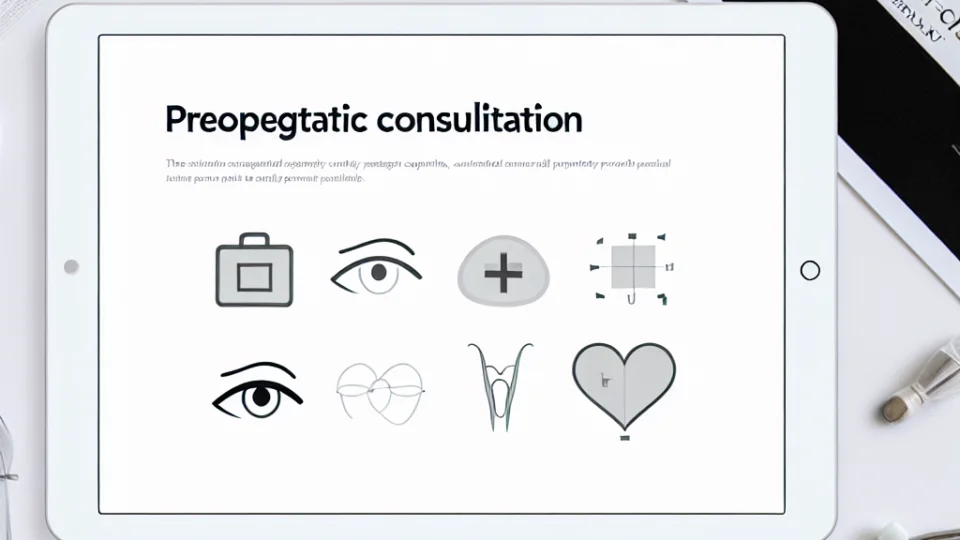
The pre-operative consultation process is a critical step for individuals considering aesthetic surgery. This process involves the first meeting with the surgeon to understand the patient's desires, expectations, and health status. During this meeting, the surgeon thoroughly reviews the patient's medical history and gathers information about any existing health issues. Additionally, to clarify the patient's aesthetic goals, various questions are asked to create an appropriate treatment plan. This stage is crucial for the success of the surgery.
Another important aspect of the consultation process is the ability to answer all of the patient's questions regarding the operation. The surgeon must provide detailed information to eliminate any uncertainties the patient may have. During this process, clear and straightforward information about potential risks, the recovery process, and expected outcomes must be provided. Understanding what to expect during the post-operative process will assist the patient in making a decision. Furthermore, being informed about the surgeon's experience and the clinic's reliability is beneficial for patients.
The pre-operative consultation process typically consists of several stages. First, after listening to the patient's expectations and desires, the surgeon recommends an appropriate surgical method. Then, the patient's health status and current medication use are evaluated. Finally, information about the details, duration, and potential complications of the surgery recommended by the surgeon is provided. These stages are critically important to ensure the patient makes an informed decision. Additionally, a safe environment should be created for the patient to feel comfortable throughout these processes.
At the end of the consultation process, an agreement is reached between the surgeon and the patient. At this stage, after evaluating all of the patient's expectations and the surgeon's recommendations, the surgery date is determined. Additionally, information about the patient's pre-operative and post-operative care processes is provided. This process is extremely important for enhancing the patient's safety and satisfaction. Therefore, patients are expected to ask all their questions at this stage and to feel comfortable.
What to Consider When Choosing the Right Aesthetic Doctor?

Choosing the right aesthetic doctor is extremely important for the success of the surgery. Therefore, there are many factors to consider when making a choice. First and foremost, attention should be paid to the doctor's area of expertise and experience. There are different specializations in every branch of aesthetic surgery, so determining which area you want to undergo a procedure in and selecting a doctor specialized in that field is a critical step for the quality of the results. Additionally, the doctor's past success stories and patient references should also be evaluated.
Another important factor is the standards of the clinical environment where the doctor operates. Does the clinic where your chosen aesthetic surgeon works meet hygiene and safety standards? The services offered at the clinic during the pre- and post-operative processes directly affect the comfort and safety of the patients. Therefore, it is beneficial to check whether the clinic has the necessary certifications and accreditations. Furthermore, it is also important that the equipment in the clinic is modern and up-to-date.
The doctor's communication skills are also an aspect that should be considered during the selection process. A good aesthetic doctor is someone who listens to their patients' concerns and can inform them correctly. During the pre-operative consultation process, the doctor's ability to establish open communication with you and understand your medical history increases your chances of success. Additionally, how the doctor guides you through the treatment process is also an important criterion.
Finally, pricing and payment options are another aspect you should evaluate. Aesthetic surgery can generally be costly, so it is important to find a doctor who offers quality service without exceeding your budget. Comparing prices of different clinics and, if possible, having a detailed discussion with the doctor about payment conditions can help you reach a satisfactory outcome. At this stage, you should focus not only on the price but also on the quality of the services offered.